
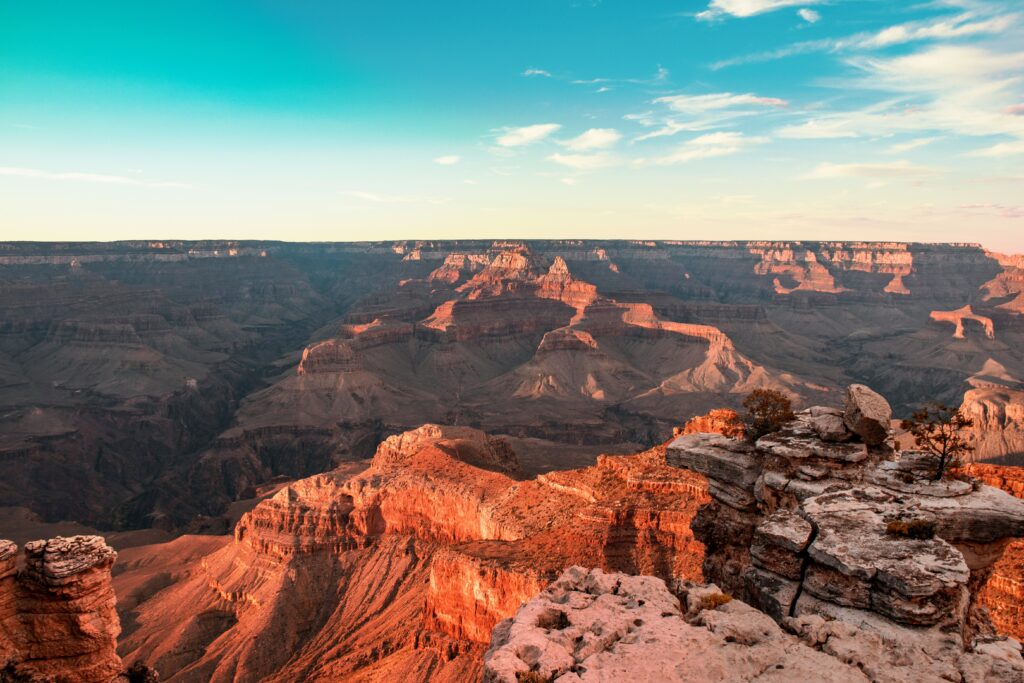
America’s most beloved destinations are famous for a reason — dramatic landscapes, unforgettable food, legendary festivals, blockbuster national parks, and experiences that shape entire vacations. But here’s the truth travelers are slowly waking up to:
Peak season is no longer the best season.
In some places, it’s becoming the riskiest season.
Heat waves, hurricanes, wildfires, smoke, and unpredictable winters are reshaping when and how travelers should plan their trips. This doesn’t mean you should avoid these places.
It simply means:
Travel smart, not scared.
Below are five iconic destinations where the “old normal” peak season comes with new risks — and the smartest, safest months to visit instead. Many travelers don’t realize how several popular spots have now become risky US destinations during peak season due to extreme heat, hurricanes, and wildfire smoke.
1. Arizona (Phoenix, Sedona, Grand Canyon)
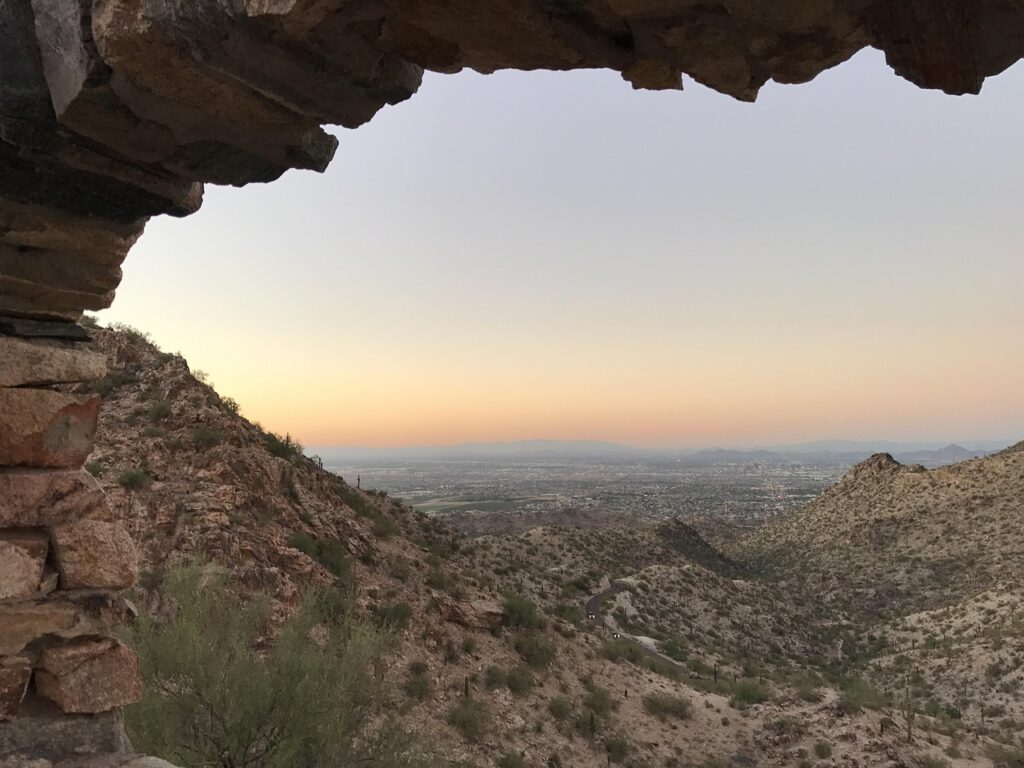
Why We Love Arizona
Arizona is magic — red rock landscapes that glow at sunset, world-class desert trails, stargazing you’ll remember forever, and the epic Grand Canyon. Phoenix offers vibrant food, Sedona brings its spiritual energy, and Flagstaff gives you a cooler mountain escape. It’s a state that feels otherworldly.
The problem?
Most people still think summer is the ideal time to visit the Southwest.
The New Reality: Extreme, Life-Threatening Summer Heat
Arizona’s summers have crossed into a different category — the dangerous category.
- Phoenix recorded 31 consecutive days over 110°F in 2023 (NOAA)
- Average July highs hit 106.9°F
- Emergency rooms report annual spikes in heat exhaustion and heat stroke (CDC)
- Trails close midday in Sedona because conditions become unsafe
For travelers who are not acclimated to desert heat, the risk is serious. Outdoor plans become restricted to sunrise slots, and even then, the heat intensity can be overwhelming.
Travel insurance reports also show rising claims linked to:
- Heat-related illness
- Canceled outdoor tours
- Missed hikes due to unsafe weather
Summer in Arizona is now less “vacation” and more “survival mode.”
The Smart Traveler Alternative: March–May & September–November
Swap the dangerous summer for shoulder seasons and you unlock the BEST version of Arizona:
- Daytime highs between 72°F and 88°F
- Safe hiking windows from morning to late afternoon
- Clear skies ideal for the Grand Canyon
- Sedona’s red rocks glowing in perfect golden light
Sample 4-Day Smart-Season Itinerary (October)
Day 1: Phoenix → Desert Botanical Garden → Old Town Scottsdale
Day 2: Drive to Sedona → Cathedral Rock → Chapel of the Holy Cross
Day 3: Boynton Canyon Trail → Uptown Sedona dinner
Day 4: Grand Canyon South Rim → Mather Point sunrise
You get Arizona’s beauty — without the danger.
According to NOAA climate reports, Arizona has experienced a significant increase in extreme heat days over the past decade. https://www.noaa.gov/climate
2. Florida & The Gulf Coast (Miami, Tampa, New Orleans)
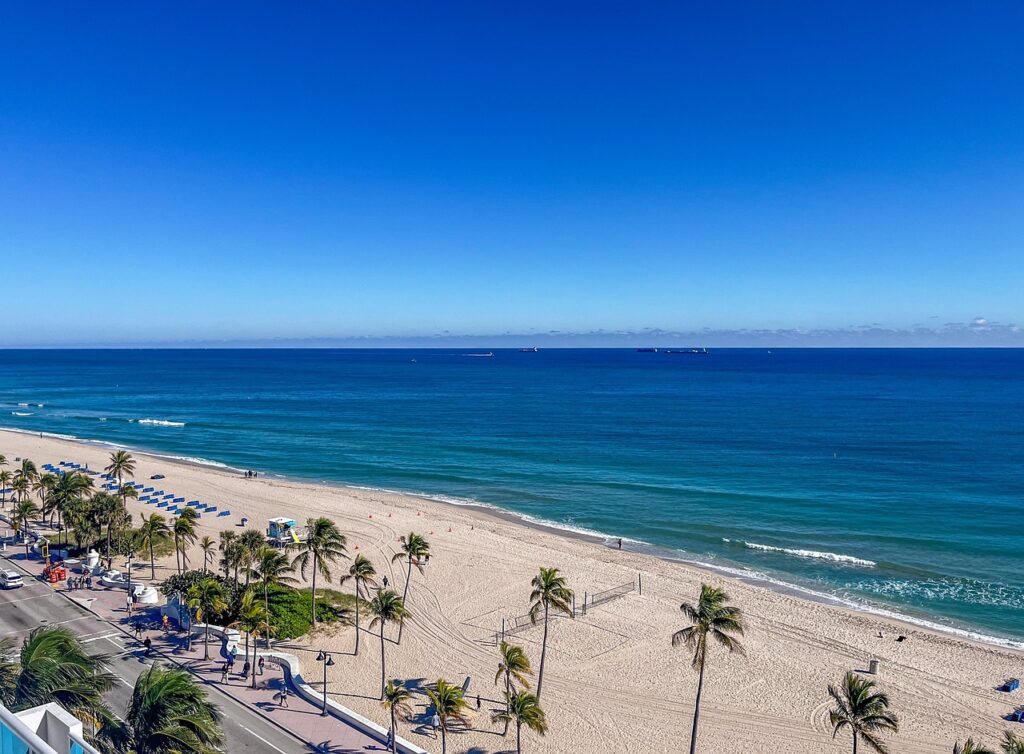
Why We Love Florida and the Gulf
From Miami’s electric nightlife to the pastel sunsets of the Gulf Coast, this region is a dream for beach lovers. New Orleans is a cultural powerhouse with jazz, festivals, and unforgettable food. Families flock to Orlando, and snowbirds adore the warm, tropical vibes.
The New Reality: Peak Hurricane Season + Extreme Humidity
The months between August and October have become significantly more unpredictable:
- NOAA reports that the Atlantic hurricane season intensity has increased over 40% in the last decade
- Insurance companies show a rise in trip cancellation claims
- Miami experiences “feels like” temperatures of 105°F+ due to humidity
- Flooding and storm surge disrupt flights and hotel availability
Tourists often book these months because prices are low — but those low prices come with high risk. Florida’s late-summer hurricane season is the reason it appears on many lists of risky US destinations for travelers.
The Smart Traveler Alternative: December–April
This is Florida and the Gulf Coast at their very best:
- Mild temperatures (70s–80s)
- Low humidity
- Almost zero hurricane risk
- Clear beaches, walkable streets, and lively festivals
Perfect 3-Day Winter Escape (January)
Day 1: Miami Beach → Art Deco District → Evening Wynwood
Day 2: Key Biscayne → Bill Baggs Lighthouse → Sunset dinner
Day 3: Everglades airboat tour → Little Havana
The weather behaves, the trip runs smoothly, and every day feels like a postcard.
If you’re planning more US trips during safer weather months, you may also like my Oahu Winter Travel Guide and Phoenix Winter Travel Guide for ideas and inspiration.
3. California (Wine Country, Yosemite, Lake Tahoe)
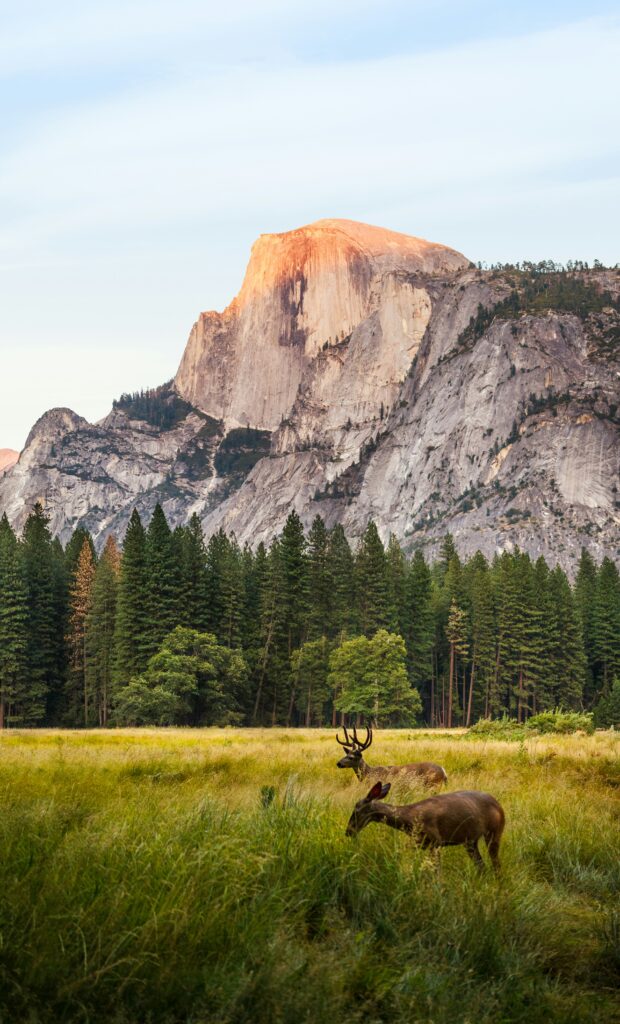
Why We Love California
California is pure beauty — vineyards rolling over hills in Napa, granite cliffs in Yosemite, crystal-clear lakes in Tahoe, and breezy coasts that calm your soul. It’s one of America’s most photogenic states.
The New Reality: Wildfires and Smoke in Late Summer/Fall
California’s natural beauty now comes with seasonal volatility:
- USDA reports an increase in late-summer wildfire activity
- Smoke can produce hazardous air quality
- Yosemite and Tahoe have experienced temporary closures
- Travelers face unexpected delays, evacuations, and ruined views
Even if a fire isn’t nearby, smoke can drift hundreds of miles.
This makes July–October risky for nature-heavy trips.
The Smart Traveler Alternative: April–June
Spring transforms California:
- Vineyards bloom
- Waterfalls in Yosemite are at peak flow
- Air quality is cleaner
- Crowds are lighter
- Temperatures stay mild
Smart-Season 3-Day Wine Country Plan (May)
Day 1: Napa Valley tasting → Yountville dinner
Day 2: Calistoga hot springs → Spring vineyard photos
Day 3: Sonoma Coast drive → Bodega Bay sunset
You get the California fantasy — without the wildfire uncertainty. California is one of the most talked-about risky US destinations because late-summer wildfire smoke can disrupt visibility and travel plans
4. The Mountain West (Colorado, Montana, Wyoming)
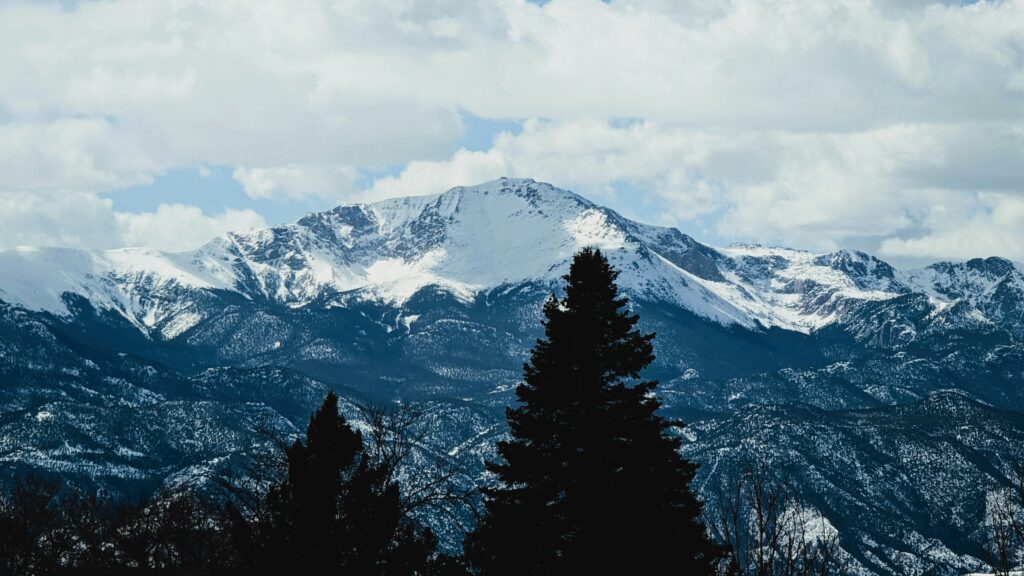
Why We Love the Mountain West
This region is America’s postcard come to life. Snowy peaks, alpine lakes, dramatic national parks, and charming mountain towns create some of the best outdoor experiences in the country. Ski lovers dream of Aspen, Breckenridge, Big Sky, and Jackson Hole.
The New Reality: Unreliable Snow + Fire-Season Smoke
Winter and summer now come with unpredictability:
- Warmer winters = shorter ski seasons
- Early snow melts affect trail access
- NOAA reports reduced snowpack levels in several Rocky Mountain regions
- Summer brings fire-season smoke, impacting visibility and health
- National parks sometimes issue air-quality alerts
This makes both late-summer and early-winter tricky for travelers.
The Smart Traveler Alternative:
For skiing:
January–February → the most reliable snow window.
For summer hiking:
Late June–mid July → before wildfire season peaks.
Smart-Season 4-Day Colorado Winter Trip
Day 1: Denver → Red Rocks
Day 2: Drive to Breckenridge → Ski day
Day 3: Snowshoeing → Hot chocolate in town
Day 4: Afternoon in Vail Village → Return to Denver
You dodge the unpredictable weeks and enjoy the classic Mountain West charm.
5. The Pacific Northwest (Oregon Coast, Washington Coast)
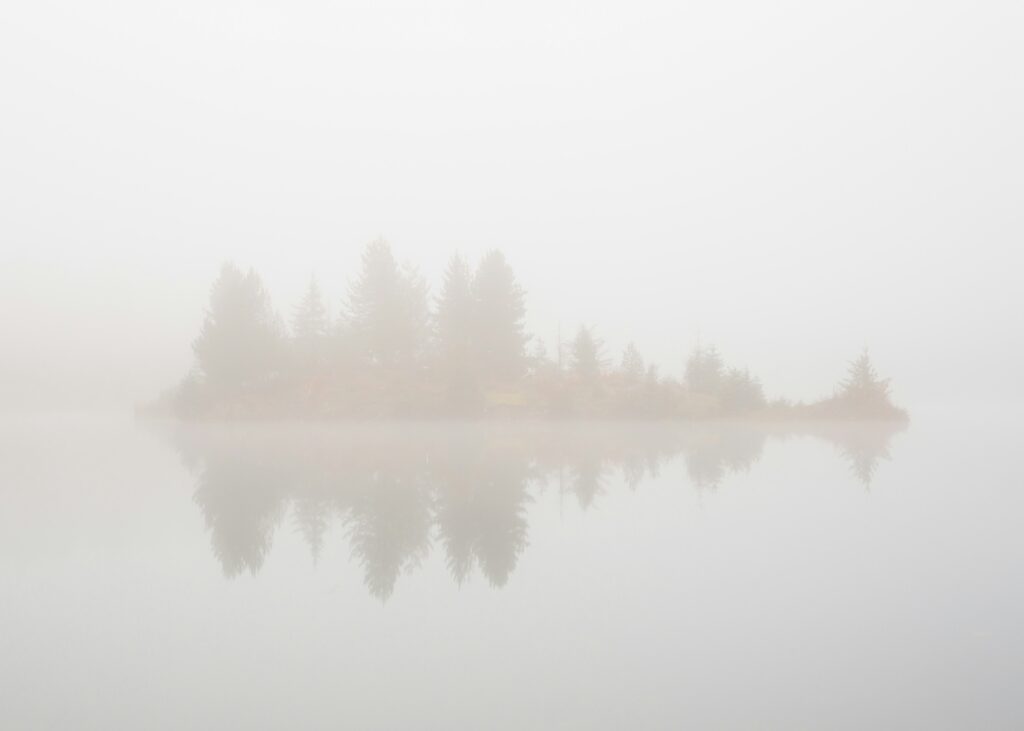
Why We Love the PNW
Moody coastlines, misty forests, dramatic cliffs, charming fishing towns, and the iconic blends of coffee + ocean air. The Pacific Northwest is peaceful, photogenic, and unforgettable.
The New Reality: Heat Domes + Smoke in Mid-Summer
The PNW used to guarantee cool summers.
Not anymore.
- “Heat dome” events caused record temperatures in Oregon and Washington in recent summers
- Interior wildfires send smoke drifting to the coast
- Air quality can fall from “perfect” to “unhealthy” in hours
- Coastal trails close due to fire danger in dry stretches
This makes July–August less predictable for travelers looking for the classic cool-coast experience.
The Smart Traveler Alternative: Late May–June (“June Gloom”)
This is the PNW that locals love:
- Cool, misty mornings
- Fog rolling over the cliffs
- Low risk of smoke
- Comfortable hiking weather
- Quiet trails and towns
Smart-Season Coastal Route (June)
Day 1: Cannon Beach → Haystack Rock
Day 2: Ecola State Park → Seaside
Day 3: Oregon Coast Highway → Depoe Bay
Day 4: Newport → Yaquina Head Lighthouse
You get the cinematic PNW — not the smoky version.
Final Verdict: Travel Is Changing — Smart Timing Wins
These destinations are still amazing.
They’re not “off the list.”
They just require seasonal awareness and smart planning. Understanding which places have now become risky US destinations helps travelers plan smarter trips with better timing and safer weather.